Gauge Finder
Not sure which needle to buy?
Three plain questions. No medical words. We will tell you the thickness, the length and how many to get.
{{ s.label }}
{{ s.count }}
{{ s.title }}
Nothing you answer is stored
Your answers stay in this browser tab. They are not saved to an account, not sent to us, and gone the moment you close it.
We never ask what it is for
What you inject is between you and your prescriber. We only need to know enough to pick the right needle.
No tracking, no profiling
Nothing here is used for advertising, shared with a third party, or attached to your order history. Ever.
General guidance only, not medical advice. Your prescriber or diabetes educator sets your dose, your site and your technique. If what they told you differs from this, follow them.
Gauge, explained
Two numbers, doing two different jobs.
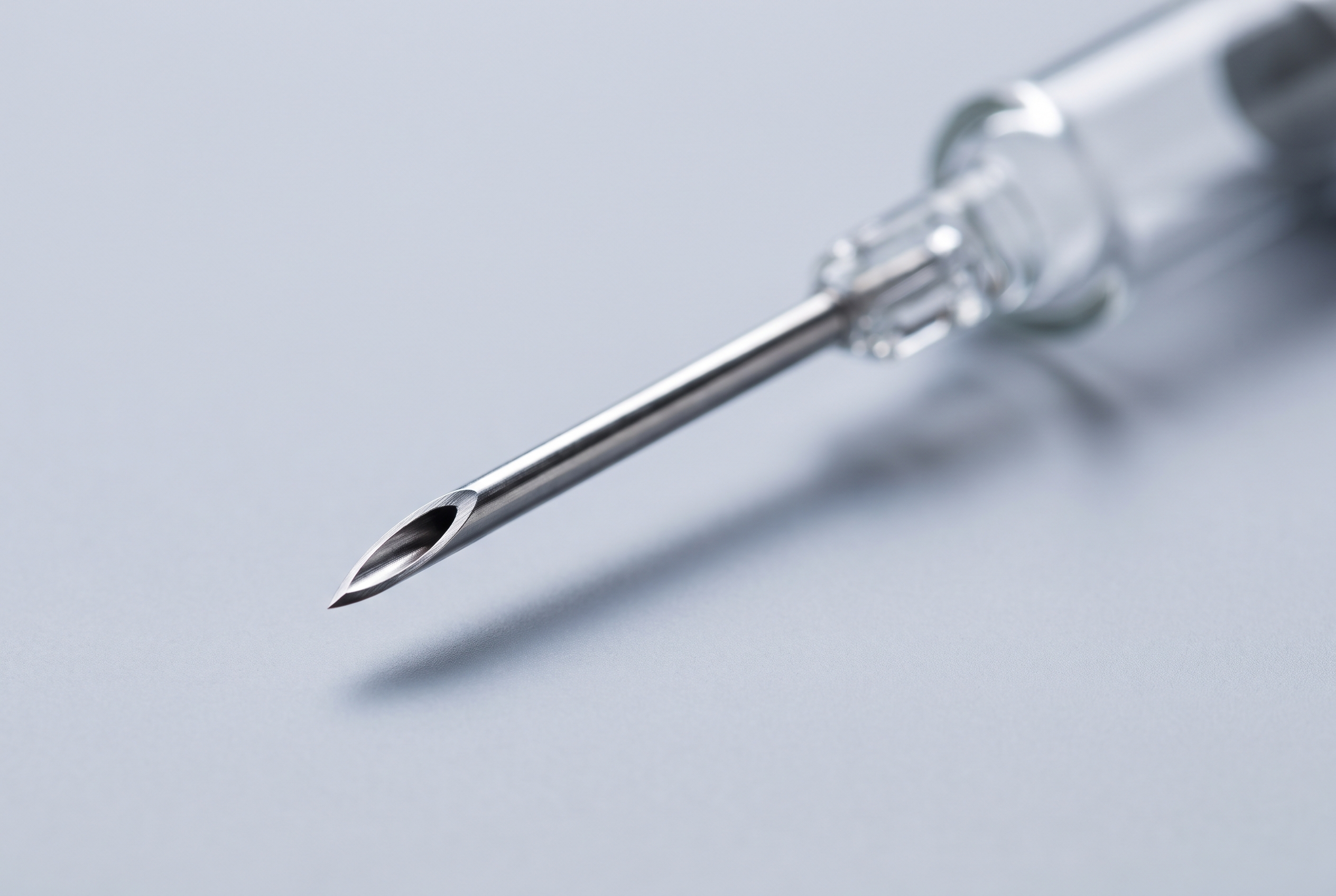
Gauge is how thick the needle is, and the scale runs backwards. Length is how deep it goes. Get both right and you will barely feel it.
Thickness
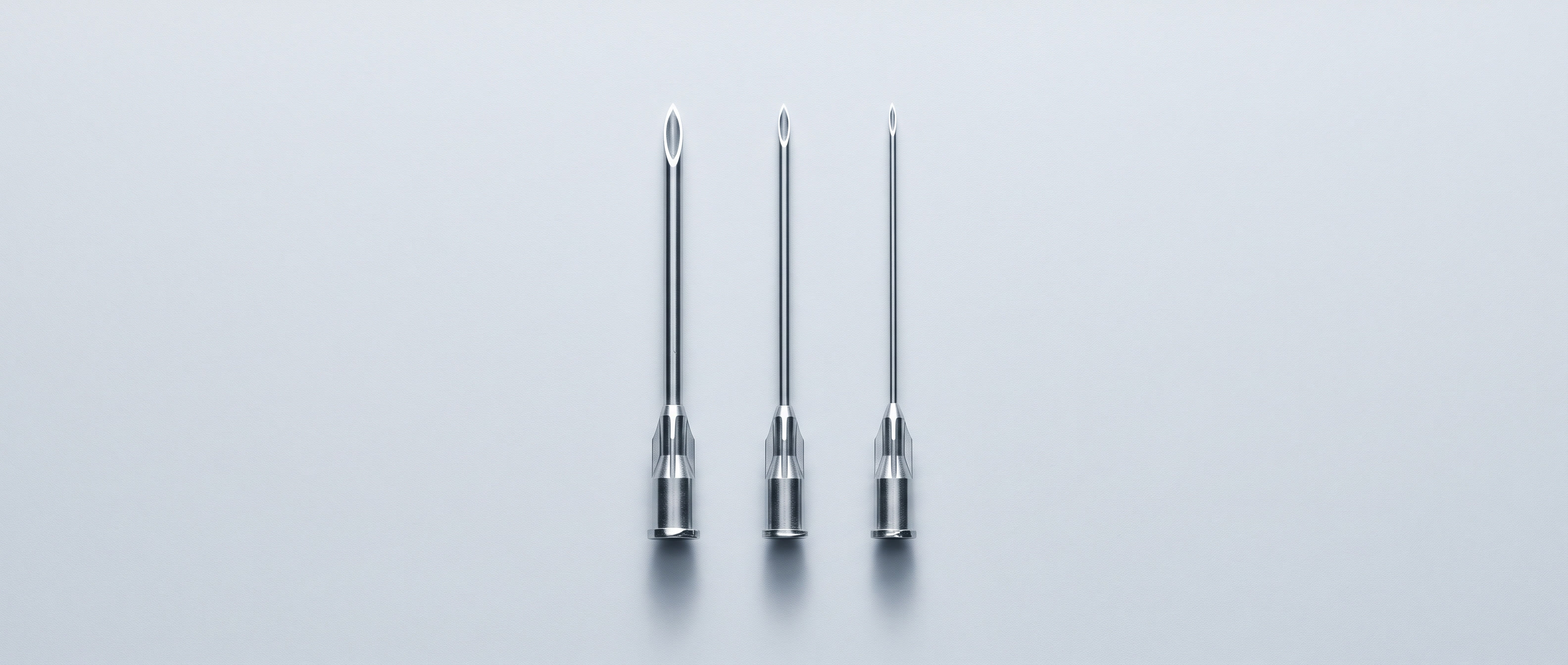
Higher number, thinner needle
31G is finer than 29G. Thinner is more comfortable but slower to fill. Thicker draws faster, which matters for a large or viscous dose.
29G, fills fastest
30G, the middle
31G, least sensation